25 years on from the World Commission on Dams: how sustainable is hydropower today?
Last month marked 25 years since the World Commission on Dams (WCD) published its groundbreaking report. Back in November 2000, the WCD exposed serious concerns about the environmental and social impacts of large dams and proposed a framework to guide more responsible, sustainable development.
Fast-forward a quarter of a century: progress has been made, but the same debates about hydropower’s social and environmental footprint continue. While the WCD report is still referenced around the world, the hydropower sector has been busy trying to put its recommendations into practice.
The big question remains. Are new hydropower projects truly sustainable? And how far have we come in addressing the controversies the WCD highlighted?
The Hydropower Sustainability Standard: can it deliver on the WCD’s vision?
The WCD report set the stage for the International Hydropower Association (IHA), which was tasked with promoting sustainability and developing practical tools to assess hydropower projects.
In 2023, more than two decades of multi-stakeholder dialogue and the evolution of sector guidelines culminated in the launch of the Hydropower Sustainability Standard (HSS), which is now overseen independently by the Hydropower Sustainability Alliance (HSA).
The HSS represents by far the most significant initiative to put the WCD’s recommendations into measurable criteria, and has been reinforced by wider industry commitments, such as the San José Declaration on Sustainable Hydropower.
The WCD framework helped kick-start global conversations about the downsides of big dams, but it never really offered a clear or practical roadmap for how to make hydropower genuinely sustainable. It faced some challenges in its development, including uneven stakeholder representation, broad and often high-level guidance, and a framework that was difficult for many practitioners to apply in real-world settings.
The HSS, by contrast, feels much more like a real governance system. It brings together industry, governments, financiers and civil society; it sets out detailed, transparent criteria; and it offers practical tools that developers can actually use.
But while the HSS represents an attempt to create a practical framework, questions remain. How widely is it applied in practice? Can a standardised tool fully capture the complex social and environmental realities of hydropower projects, especially in regions with weak governance? And does it go far enough in addressing issues like early-stage decision-making, transboundary river management, and gender impacts, which are all areas highlighted by critics of large dams for decades?
Even so, compared with the WCD, the HSS clearly provides a stronger, more grounded model of good governance that feels far better suited to the real-world challenges of hydropower today.
Testing the standards: what if past projects were built today?
To see how the Hydropower Sustainability Standard (HSS) works in practice, we can look back at three controversial projects highlighted in the WCD report and imagine how they would fare under today’s criteria.
Tucuruí Dam, Brazil – greenhouse gas emissions
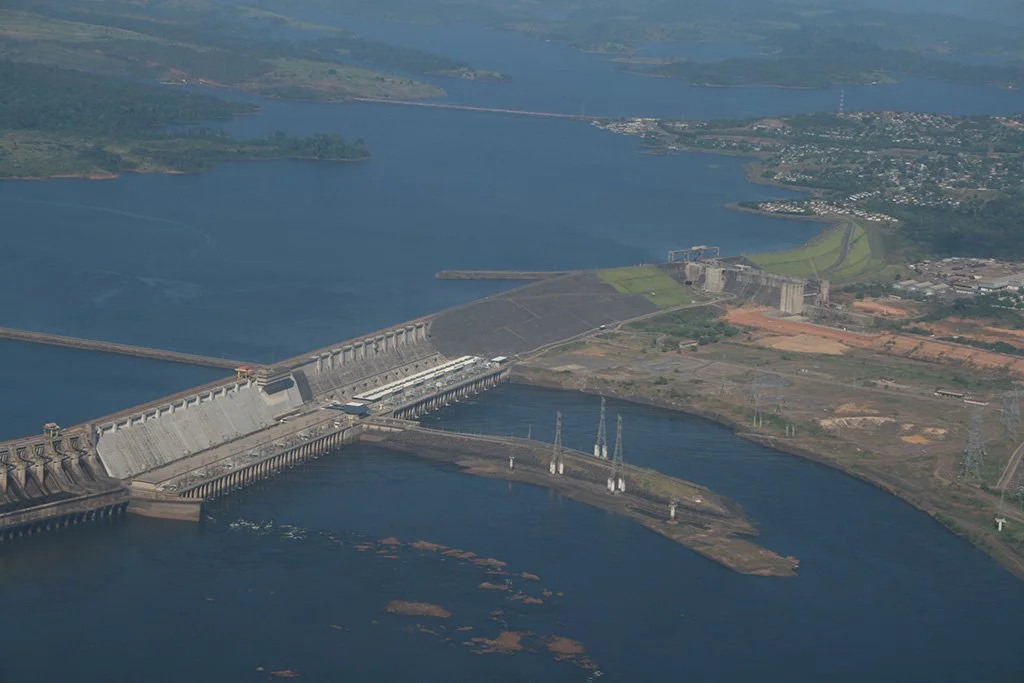
Tucuruí Dam, Brazil. Photo by Repórter do Futuro, distributed under a CC Attribution 2.0 Generic license.
While large dams provide electricity generation and water management benefits, their reservoirs can release significant greenhouse gases. The HSS requires projects to have a high power density as a proxy for their emissions intensity. Projects that generate relatively little power for their reservoir size tend to have higher emissions.
Tucuruí, one of the world’s largest dams, would fall into this category: for every square metre of water it holds, it generates relatively little electricity. Research shows its annual emissions have been far above what the HSS would consider sustainable.
Put simply, if Tucuruí were being designed and planned today, it would almost certainly fail the climate test.
HSS requirements on climate change mitigation and resilience: “Power density has been calculated; if power density is below 5 W/m2, net GHG emissions (gCO₂e) of electricity generation have been estimated and independently-verified; if power density is below 5 W/m2 and estimated emissions are above 100 gCO₂e/kWh, a site-specific assessment of GHG emissions has been undertaken.”
Sardar Sarovar Project, India – resettlement
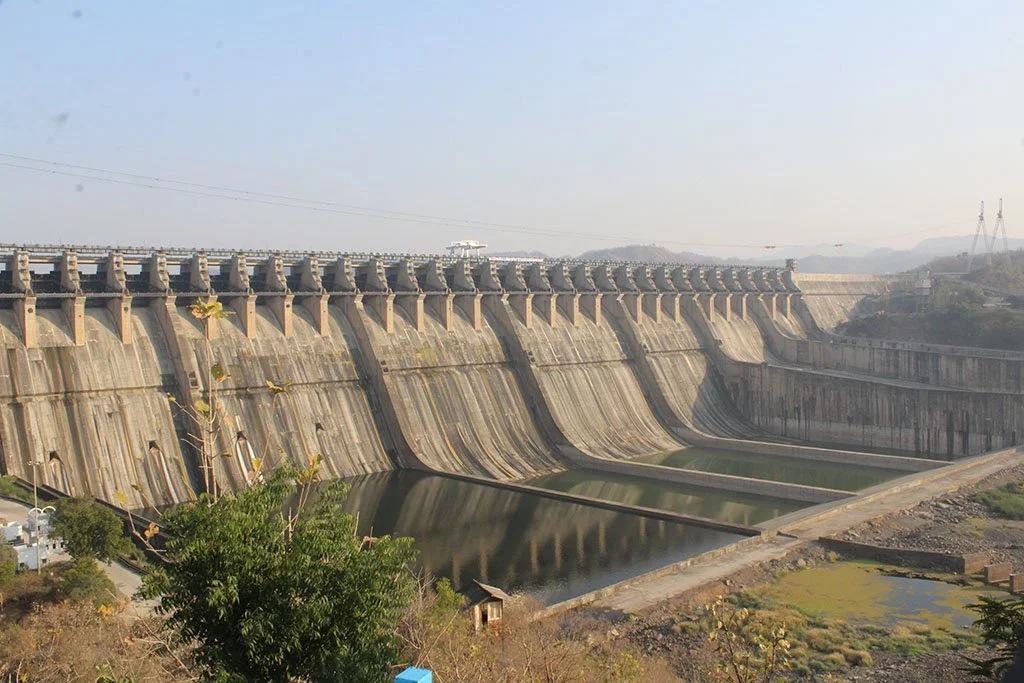
Sardar Sarovar Dam, India. Photo by Vijayakumarblathur, distributed under a CC 4.0 license.
The Sardar Sarovar Project on the Narmada River became infamous for the number of people it displaced. The WCD criticised the authorities for underestimating the number of people affected and for failing to account for communities impacted by canals and wildlife projects.
Today, the HSS requires early, rigorous social assessments, public disclosure of resettlement agreements, and ongoing monitoring.
By these standards, Sardar Sarovar would not pass: the baseline work simply wasn’t done properly, and the people affected were not fully considered.
HSS requirements on resettlement: “An assessment of the resettlement implications of the project has been undertaken early in the project preparation stage to establish the socio-economic baseline for resettlement for potential resettles and host communities, and has included an economic assessment of required resettlement including ongoing costs for improvement in living standards.”
Pak Mun Dam, Thailand – livelihoods
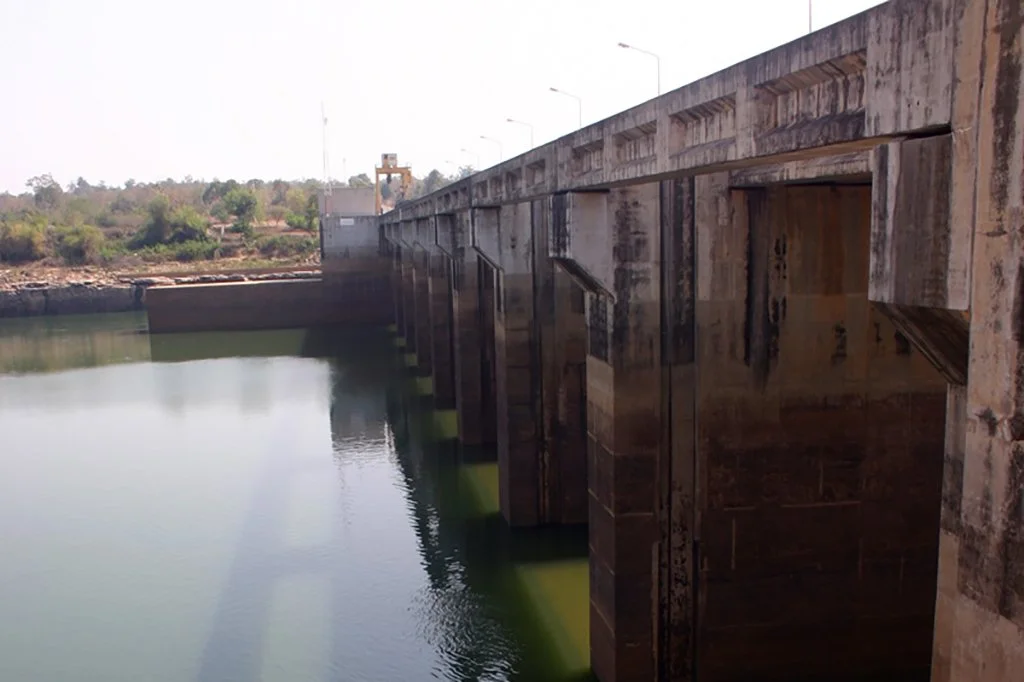
Pak Mun Dam, Thailand. Photo by Laurence McGrath, distributed under a CC 3.0 license.
The Pak Mun Dam disrupted local fisheries and livelihoods in Thailand, with many families’ means of living deteriorating over time.
The HSS now requires projects to ensure that living standards and livelihoods improve, not decline, and that any economic displacement is fairly compensated.
By these criteria, Pak Mun would also fail. Even when compensation was eventually provided, it came too late to prevent long-term harm.
HSS requirements on community impacts: “Plans provide for livelihoods and living standards impacted by the project to be improved, and economic displacement fairly compensated, preferably through provision of comparable goods, property or services.”
Where does that leave us?
Looking at these cases, the verdict is clear: all three projects would fall short of today’s minimum HSS requirements. That alone shows how far practice has evolved, and how closely the HSS reflects many of the WCD’s original concerns.
But meeting the Hydropower Sustainability Standard isn’t the end of the story. The HSS doesn’t label a project “sustainable”; it shows where good practice is met and where improvements are still needed.
And there is still work to do. Key gaps remain: early-stage decision-making isn’t fully addressed (though the recent launch of the HydroSelect is a crucial step), transboundary river governance needs strengthening, and gender considerations are still not fully embedded.
How the HSS is carving a different pathway: lessons from a certified project
The 3,750 MW Jirau Hydropower Project, on the Madeira River in Brazil, shows what is possible when modern sustainability frameworks are applied.
Assessed under a precursor to the HSS during its construction phase back in 2012, Jirau performed strongly across nearly all sustainability topics, from greenhouse gas management to biodiversity and community engagement. Its power density was high, meaning it generated more electricity per square metre of reservoir than many older projects, resulting in a minimal carbon footprint.
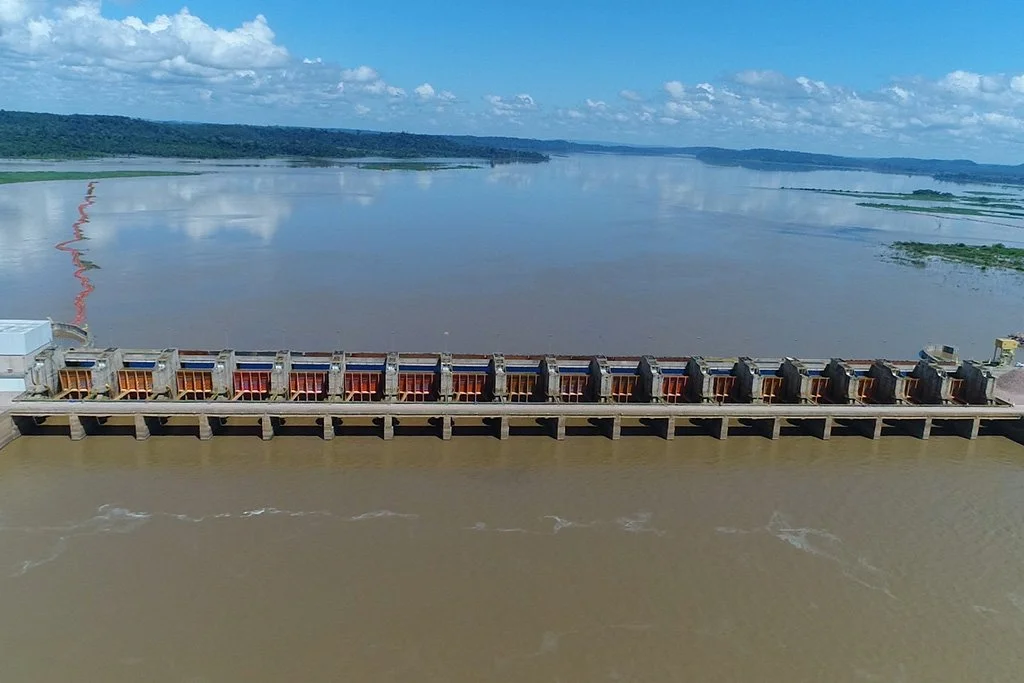
The Jirau Hydropower Project in Rondônia, Brazil
But the original assessment did highlight one area for improvement: resettlement. Even while meeting Brazilian law, Jirau needed to enhance monitoring to ensure that affected communities’ livelihoods and living standards improved over time.
Importantly, the project treated this as an opportunity for continuous improvement, developing action plans to address gaps openly and transparently.
More than a decade later, Jirau was assessed under the HSS and awarded Gold certification, reflecting how the framework can guide large-scale projects toward better social and environmental outcomes.
What’s next for strengthening hydropower sustainability?
To build on the progress of the HSS, the sector will need to go further: strengthening criteria on gender, transboundary impacts and human rights; creating a dedicated early-stage module for siting and master planning, building on progress made with the introduction of HydroSelect; and investing in the capacity needed for civil society, regulators and lenders to apply it.
Governments have a crucial role to play too. By integrating the HSS into financing mechanisms, and offering incentives such as faster licensing or preferential power purchase agreements, they can help ensure that future hydropower projects don’t repeat the mistakes of the past.
A sustainable future is possible – but only if we hold projects accountable
From the WCD report to the HSS, the sector has come a long way. Today, we have a framework capable of highlighting social and environmental risks, ensuring projects don’t proceed until risks are properly addressed.
But it’s crucial that the framework is used. For hydropower to claim a sustainable future, the HSS must be treated as a non-negotiable threshold, backed by policy incentives and enforced globally.
Lessons from the past exist for a reason, and the tools to act on them are already here. It’s up to the sector, governments and communities to use them – and to ensure that hydropower delivers all its benefits without repeating history’s mistakes.
AUTHORS


MORE BLOGS